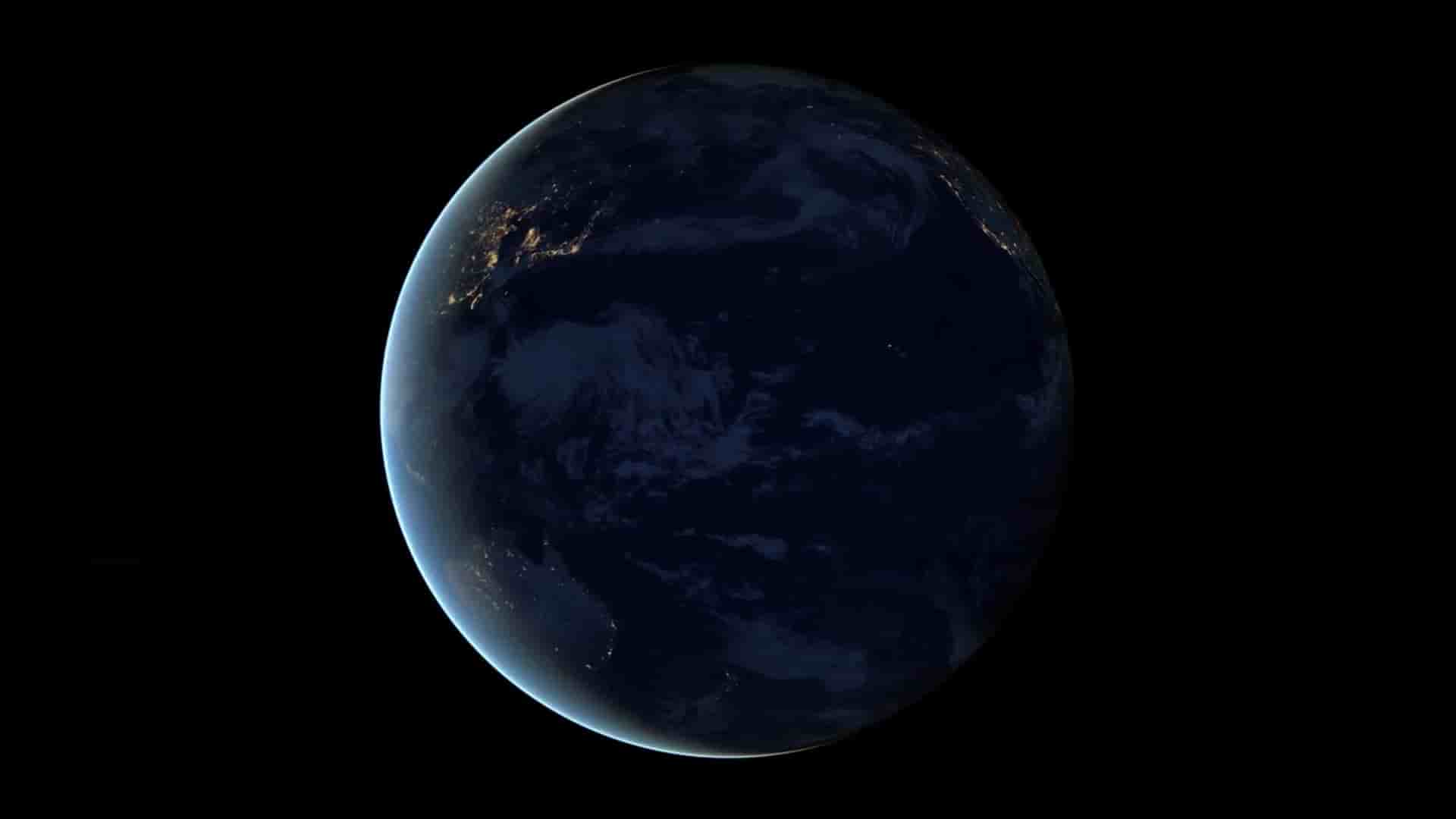
A reflection on the power of silence and empty space in a world saturated with constant communication and content.
Sometimes the most powerful messages come not from what is said, but from what remains unspoken. In a world saturated with noise, content, and constant communication, there's something profoundly significant about the absence of words.
This transcript—or rather, the lack of one—presents an interesting meditation on emptiness and presence. It's a reminder that not every moment needs to be filled with information, analysis, or explanation.
In communication, whether written or spoken, we often feel compelled to fill every gap. We add more words, more context, more explanation. But what if the gap itself is the message? What if the silence is what we're meant to sit with?
The Japanese concept of "ma" speaks to this idea—the conscious use of negative space, the pause between notes in music, the emptiness that gives shape to what surrounds it. Without silence, there would be no rhythm. Without pauses, there would be no comprehension.
Sometimes the most important thing to communicate is that there's nothing that needs to be communicated.
This absence of content might initially seem like a mistake or an oversight. But perhaps it's an invitation—to reflect, to question our expectations, or to consider what we bring to any piece of content we consume.
We arrive with anticipation, ready to extract information, to learn something new. And when we find emptiness instead, we're forced to confront that expectation itself. What were we looking for? What did we hope to gain? And why do we assume that value only comes from addition rather than subtraction?
In a media landscape that rewards volume over substance, there's something refreshingly honest about offering nothing at all. It's a statement in itself: not everything needs to be content, and not every moment needs to be captured, transcribed, and distributed.
Perhaps the real insight here is about our relationship with information itself. We've become so accustomed to constant input that we've lost our comfort with silence, with emptiness, with the unstructured moment.
This empty transcript is a small reminder that sometimes the most valuable thing we can do is simply pause, be present, and resist the urge to fill every space with meaning we might not actually need.